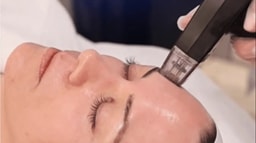
Are you looking for an effective way to tighten loose skin without going under the knife? In this guide, we’ll unpack the Morpheus 8 vs FaceTite debate to help you understand which treatment best suits your needs. Whether you’re battling mild jowls, sun‑damaged texture or stubborn pockets of fat, we’ll walk you through how each procedure works, what to expect in terms of comfort and downtime, and how they are performed.
[00:00:00] Morpheus8 vs FaceTite, Best Choice for Skin Tightening Are you looking to tighten loose skin without a surgical facelift? Morpheus8 and FaceTite both use radiofrequency energy, but they work differently. Understanding their mechanisms, treatment areas, and recovery can help you decide which option may suit your concerns. Morpheus8 combines microneedling with radiofrequency energy to stimulate collagen and elastin production in the skin and underlying tissue.
[00:00:30] It can improve skin texture, firmness, fine lines, acne scarring and mild skin laxity. A typical session lasts 30-60 minutes. Treatment plans often involve 3-4 sessions spaced 4-6 weeks apart. Topical numbing cream is applied beforehand. Mild redness and swelling may last 24-48 hours, while bruising can occasionally take 1-2 weeks to resolve.
[00:00:56] FaceTite uses radiofrequency-assisted lipolysis to heat tissue beneath the skin. An internal probe works with an external electrode to target localized fat and contract deeper connective tissue, supporting a more pronounced tightening and contouring effect. The procedure uses local anesthesia and a small incision. A session typically lasts 45-60 minutes. After treatment, a light compression garment is worn for about 1 week.
[00:01:25] Swelling and bruising may last 3-10 days, with many patients returning to work within 5-7 days. The main difference is the treatment goal. Morpheus 8 focuses on collagen remodeling, skin texture and mild laxity, with visible improvements developing over 2-3 months. FaceTite targets deeper tissue tightening and localized fat, with contouring results developing over 3-6 months.
[00:01:52] Morpheus 8 can treat the face, neck, decolletage and selected body areas. FaceTite is commonly used for the lower face, neck, jowls, underchin fullness and other areas with localized fat. Your choice also depends on comfort and recovery. Morpheus 8 generally involves topical numbing and shorter downtime. FaceTite requires local anesthesia, a small incision and a longer recovery period.
[00:02:20] Before choosing either treatment, discuss your skin concerns, treatment settings, expected results, risks and recovery with your provider. Ask about their experience and whether before and after photos are available. Morpheus 8 may be more suitable for improving texture and mild laxity, while FaceTite may better address deeper laxity and localized fat. A personalized consultation can help determine which approach fits your goals and expectations.