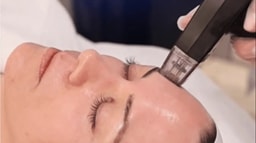
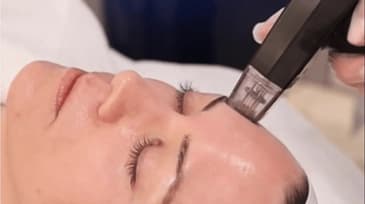
When you’re exploring Morpheus 8 recovery, you’re likely preparing to invest in smoother, firmer skin without the downtime of surgery. But what actually happens in the hours and days that follow treatment? Knowing how long swelling, redness or mild peeling last and what to do about them will make all the difference. This guide offers a clear, day‑by‑day look at Morpheus 8 recovery, backed by expert aftercare tips and realistic timelines to help you plan confidently.
[00:00:00] - [Speaker 0]
Morpheus8 recovery from day one to full results. Welcome back to Tiga, your guide to aesthetic treatments and skin care. Today, we're talking about Morpheus8 recovery, what to expect after treatment, how long common side effects may last, and when you can start seeing results. During the first twenty four hours after morphineosate, your skin may appear red, feel warm, or become slightly swollen and tender. These are common temporary reactions as your skin begins to recover.
[00:00:36] - [Speaker 0]
Keep your skin care routine simple by using a gentle cleanser and a fragrance free moisturizer recommended by your provider. Over the next two to three days, you may notice dryness, light flaking, or a slightly bronzed appearance. Continue to treat your skin gently, avoid excessive heat and strenuous exercise, and protect your skin from direct sunlight. Hold off on makeup and potentially irritating skin care products until your skin has healed sufficiently and your practitioner confirms it's safe. From days four to seven, redness and swelling often begin to settle.
[00:01:17] - [Speaker 0]
Your skin may gradually look smoother as the visible signs of treatment improve. Avoid picking at flakes or small crusts, and don't rush to resume your usual skincare routine. After the first week, you may notice early improvements in skin texture and firmness. However, morphine acetate works by combining microneedling with radio frequency energy to stimulate skin remodeling, including collagen production. These changes take time, so results may continue to develop over the following weeks and months.
[00:01:54] - [Speaker 0]
For many people, improvements are assessed over approximately three months although results vary depending on individual skin conditions and treatment settings. During recovery, keep your skin hydrated, use sun protection as advised, and avoid harsh scrubs, exfoliating acids, retinoids, and other irritating products until your provider confirms you can safely reintroduce them. Your aftercare plan should always be based on your skin's condition and your practitioner's instructions. You may also be wondering how soon you can return to work. Some people feel comfortable resuming daily activities within one to three days, while others may need more time depending on redness and swelling.
[00:02:43] - [Speaker 0]
Makeup may be appropriate after around forty eight to seventy two hours for some people, but you should wait until your skin has healed sufficiently and your provider gives you the go ahead. Morphinocyte recovery is generally manageable, but it's important to recognize symptoms that need attention. Contact your treating clinic if you experience severe or worsening pain, increasing redness, unusual swelling, blistering, or discharge. These symptoms shouldn't be dismissed as a normal part of healing. To recap, redness, swelling, and tenderness are most noticeable during the first few days and often improve over the first week.
[00:03:28] - [Speaker 0]
Changes in skin texture and firmness take longer with results potentially developing over several weeks or months. Gentle skin care, sun protection, and following your provider's aftercare instructions can help support your recovery. Thank you for listening to Tiga. Follow our channel for more practical advice on aesthetic treatments, skin care, and what to expect before and after a procedure. Until next time, take care of your skin.